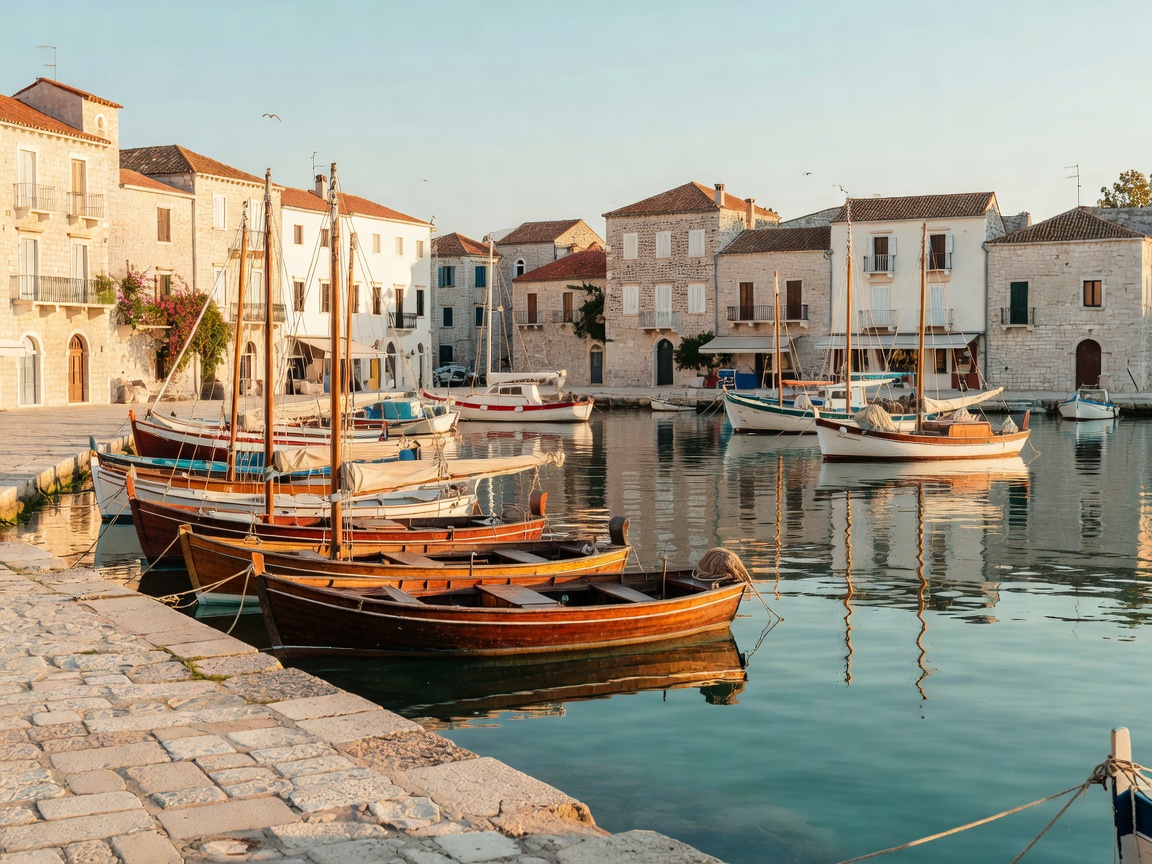
Marina or anchorage?
A marina typically provides a designated berth and may offer shore connections or services, subject to the specific location and current operation. An anchorage is a different kind of stop, with different access, comfort and operational considerations. Neither option should be treated as universally available or suitable. The skipper or qualified operator makes decisions using the vessel, conditions and applicable rules.
A marina can simplify shore access and planned provisioning. It can also add logistical steps, fees and the need to coordinate arrival. An anchorage can provide a quieter setting or route flexibility, but shore transfer, weather exposure and access may be less predictable. This is a planning comparison, not a claim about any named site.
Compare the stop by purpose
Marina: consider access to town, confirmed facilities, approach requirements and any booking process.
Anchorage: consider the vessel’s operating guidance, shore-transfer needs, exposure and an alternative plan.
Harbour location and shore access
Map the distance between the intended berth and the places your group needs to reach. A centrally positioned harbour may make a short walk possible. A more distant location may require another transfer or a change to the day’s plan. Do not infer accessibility from a map pin alone. Ask about the route from vessel to shore, surfaces, steps, transfer arrangements and mobility constraints.
Consider the group’s priorities. Families may value a simple return route and nearby essentials. Travellers focused on culture may prefer time in a town centre. A crew coordinating a longer passage may prefer a stop that supports efficient departure. A harbour’s role in the itinerary matters as much as its appearance.
Services to check
Service names do not guarantee that a facility is available, open or appropriate for a particular vessel. Before travel, verify current berth arrangements, shore access, water and electricity arrangements, waste handling, fuel access, provisioning options and any required procedures with the responsible marina or operator. Do not rely on old directory entries or an unconfirmed assumption.
Fuel and provisioning deserve separate planning. Check whether supplies can be arranged at the relevant stop and how they will reach the vessel. Account for storage space and the trip schedule. A planned service may be affected by seasonal operation, local rules or circumstances outside the visitor’s control. Keep a practical alternative in the itinerary.
Island access and coastal towns
Island destinations and coastal towns can offer a combination of shore visits, local architecture, walking and dining. The range of options changes by place and season. Identify what your group wants to do, then check current access and opening information through the appropriate local sources. Avoid building a tight schedule around an unverified ferry, attraction or restaurant assumption.
When comparing destinations, note how much time is required to move between vessel and activity. A short stop can work for a walk or meal; a more involved visit may require a longer stay and a suitable transport plan. Include time for arrival, securing the vessel, shore access and return. Preserve flexibility if the route changes.
Seasonality and accessibility
Season can influence demand, the services available and the ease of arranging a stop. It does not guarantee a particular level of activity or a specific berth. Confirm seasonal arrangements and any reservation terms directly. Avoid assuming that a location’s busiest period aligns with your preferred experience or budget.
Accessibility should be discussed in concrete terms. Ask about the route from the vessel to land, gangway arrangements, steps, toilets, surface conditions and transfer options. A marina’s general description cannot establish that it will meet a particular person’s needs. Share relevant requirements early with the responsible provider and check them again before departure.
Build flexibility into the route
Choose stops with a purpose and a backup. The primary option might be a town visit, provisioning or a planned rest. The alternative should account for changed conditions, time, access or service availability. Keep distances and timing for the route under review with qualified guidance. Avoid treating a list of destinations as a guaranteed itinerary.
Trip costs may include berth fees, fuel, transfers, provisioning and additional services. They vary by place, season, vessel and terms. Request current details from the relevant providers; this guide does not publish rates, live berth availability, water depths, opening hours or current marina conditions.
Good for
Travellers comparing the character and practical function of stops, groups with distinct shore-access needs and planners building a flexible island or coastal itinerary.
What to know
- Verify facilities, booking terms, access and services directly before travel.
- Compare marina and anchorage options with the vessel’s qualified operator.
- Allow time for vessel-to-shore movement and return.
- Plan an alternative stop and keep current operational information separate from general inspiration.
Use this page for general planning only. The relevant marina, operator and qualified crew are the sources for current requirements and decisions.