Cabins and sleeping arrangements
Ask for a diagram or written cabin breakdown for the exact vessel. Check berth size and configuration, access to bathrooms, ventilation, storage and whether any sleeping space converts from another use. A cabin count does not explain privacy, passage width or how easily a person can move around the room.
For groups, assign sleeping spaces before travel. Consider who needs a quiet area, whether children need to sleep close to an adult and how guests will access shared facilities at night. Confirm if crew accommodation is separate and how that affects the spaces available to passengers. Never assume a feature from a category description or photograph.
Salons and shared areas
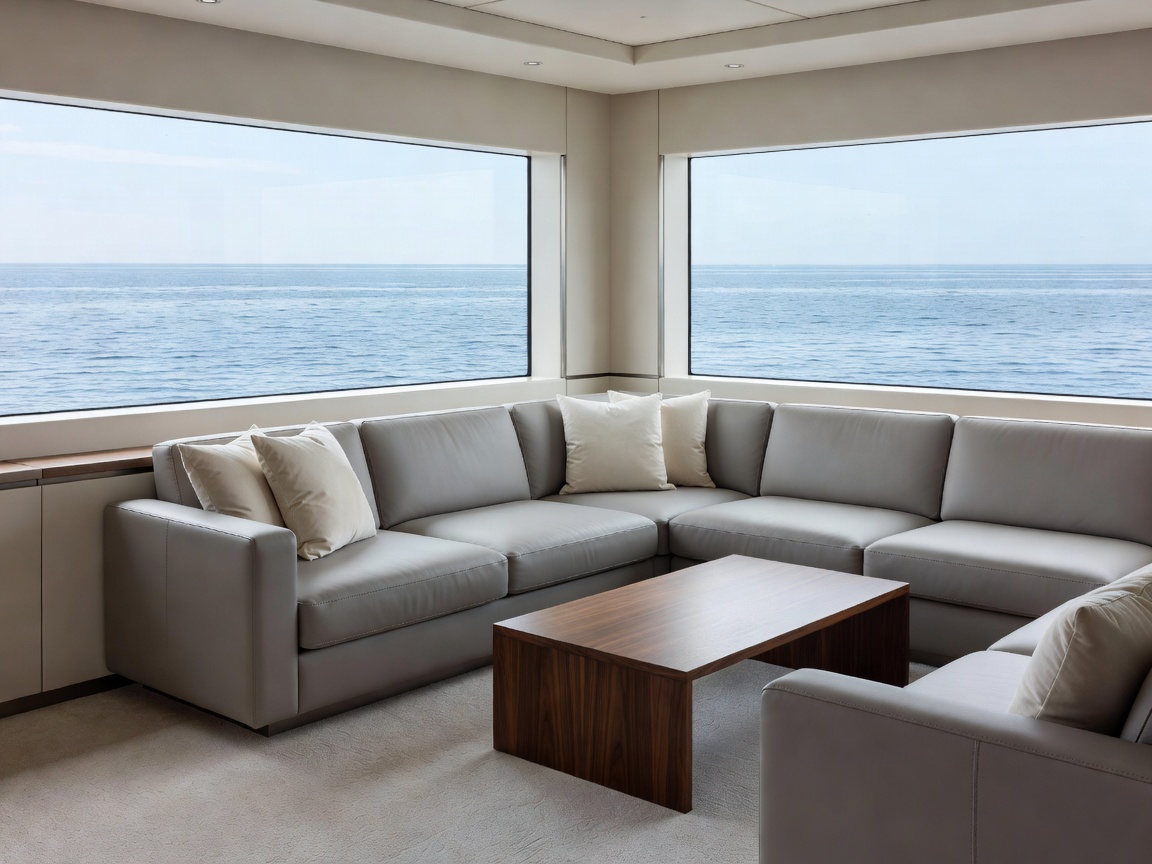
A salon can provide indoor seating, meals or shelter from sun and changing weather. The size, layout and use vary by vessel. Ask how many people can sit comfortably, whether a table is fixed or convertible, and whether the space doubles as a passageway or sleeping area. These practical details influence the rhythm of a day aboard.
Outdoor areas may include a cockpit, bow seating or an aft deck. Access may involve steps, narrow routes or exposed surfaces. Confirm which areas are available to guests and any safety instructions that apply. Do not assume that a photograph shows every space or that the same setup will be ready on a different vessel.
Space versus flexibility
More defined rooms: can make it easier to separate activities, but do not guarantee private facilities.
Convertible areas: can support different uses, but may require daily changes and reduce privacy.
Dining and galley use
A galley’s arrangement and equipment differ widely. Ask whether meals are self-catered, included through another arrangement or planned ashore. Confirm available refrigeration, cooking equipment and any restrictions directly. Share allergies and dietary needs in advance. Do not plan a menu around facilities that have not been confirmed for the specific yacht.
Dining may happen indoors, on deck or ashore, depending on the trip and vessel. Consider how the group handles cleanup, food storage and waste. The space available for provisions can be modest. Smaller, well-planned supply runs may fit better than over-purchasing, but the suitable approach depends on itinerary and storage.
Storage, bathrooms and daily routines
Storage is shaped by cabin furniture, lockers, shared areas and luggage type. Pack compactly and ask where larger bags can be kept. Keep walkways clear. Some belongings may need to be secured while the vessel is moving; follow the crew’s instructions. A tidy shared space makes movement easier and helps the group find essentials.
Bathroom arrangements can be private or shared. Ask how many facilities are available to guests and what the practical routine involves. Do not assume domestic-style water pressure, unlimited hot water or a particular waste system. Follow onboard instructions for toilets, drains and disposal. These systems are vessel-specific and require careful use.
Water, power and climate control
Fresh water and power depend on onboard capacity, equipment and operating conditions. Ask what limits apply to showers, charging and appliances. Confirm whether climate control is present, which areas it serves and how it should be used. Some systems may depend on shore connections or other operating arrangements; availability cannot be assumed.
Bring chargers suited to the confirmed setup and avoid packing unnecessary high-draw devices. Store electronics away from moisture and follow crew guidance. Plan for a more measured use of water and electricity than at home. The operator should explain vessel-specific procedures before or during the stay.
Privacy and comfort
Privacy aboard depends on layout, group size, crew arrangements and time spent together. Ask about guest-only areas and how crew move through shared spaces. Establish expectations for quiet time, changing, use of decks and access to personal belongings. A yacht stay may involve more shared time than a conventional hotel, even when the vessel has separate cabins.
Compare comfort in context. A hotel can offer more fixed indoor space and individual rooms. A yacht places the group closer to the route and water, while requiring coordination around compact spaces. The best fit depends on the group’s routines, privacy preferences, access needs and tolerance for limited storage.
Good for
Travellers who want to understand a vessel before boarding, groups with specific sleeping or access needs and guests who can adapt to shared routines and compact storage.
What to know
- Request vessel-specific layout and facility information in writing.
- Ask about bathroom access, water, power, ventilation and climate control.
- Clarify meal arrangements, storage and guest responsibilities.
- Follow the crew’s instructions and never assume a pictured amenity is included.
Facilities differ significantly between vessels. Confirm all material details with the responsible provider before making travel commitments.